
7/07/2025 Human Security and Peacebuilding
Category: Students symposium and workshops
Workshops: Human Security and Peacebuilding
ワークショップ: 人間の安全保障と平和構築
Co-organisers: University of Warsaw, Kyoto College of Graduate Studies for Informatics, Daito Bunka University
Japanese-Polish Academic Meeting in Kyoto: Global Security Challenges and Education


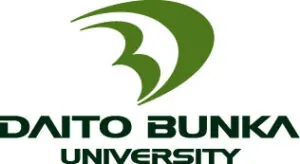
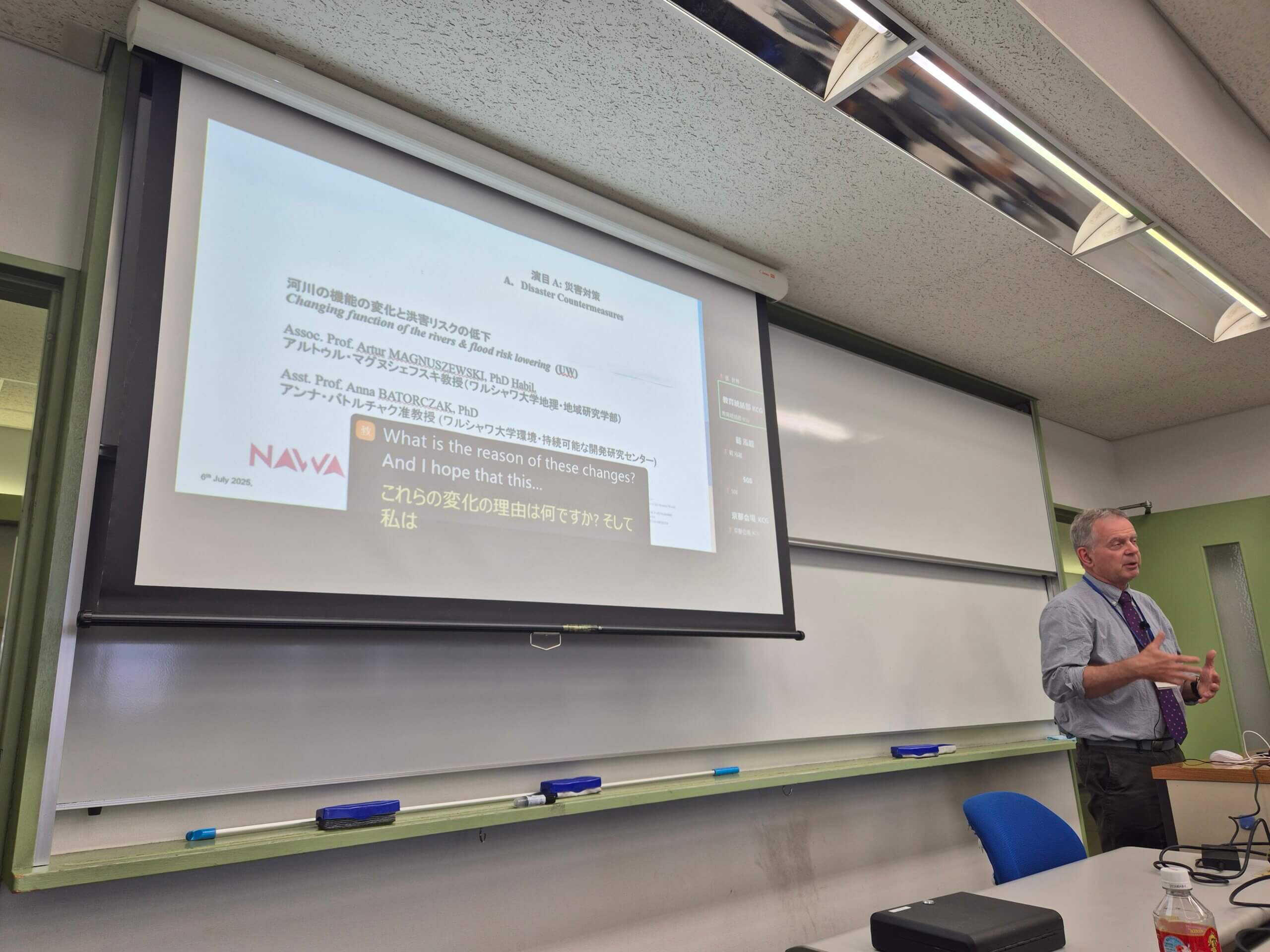
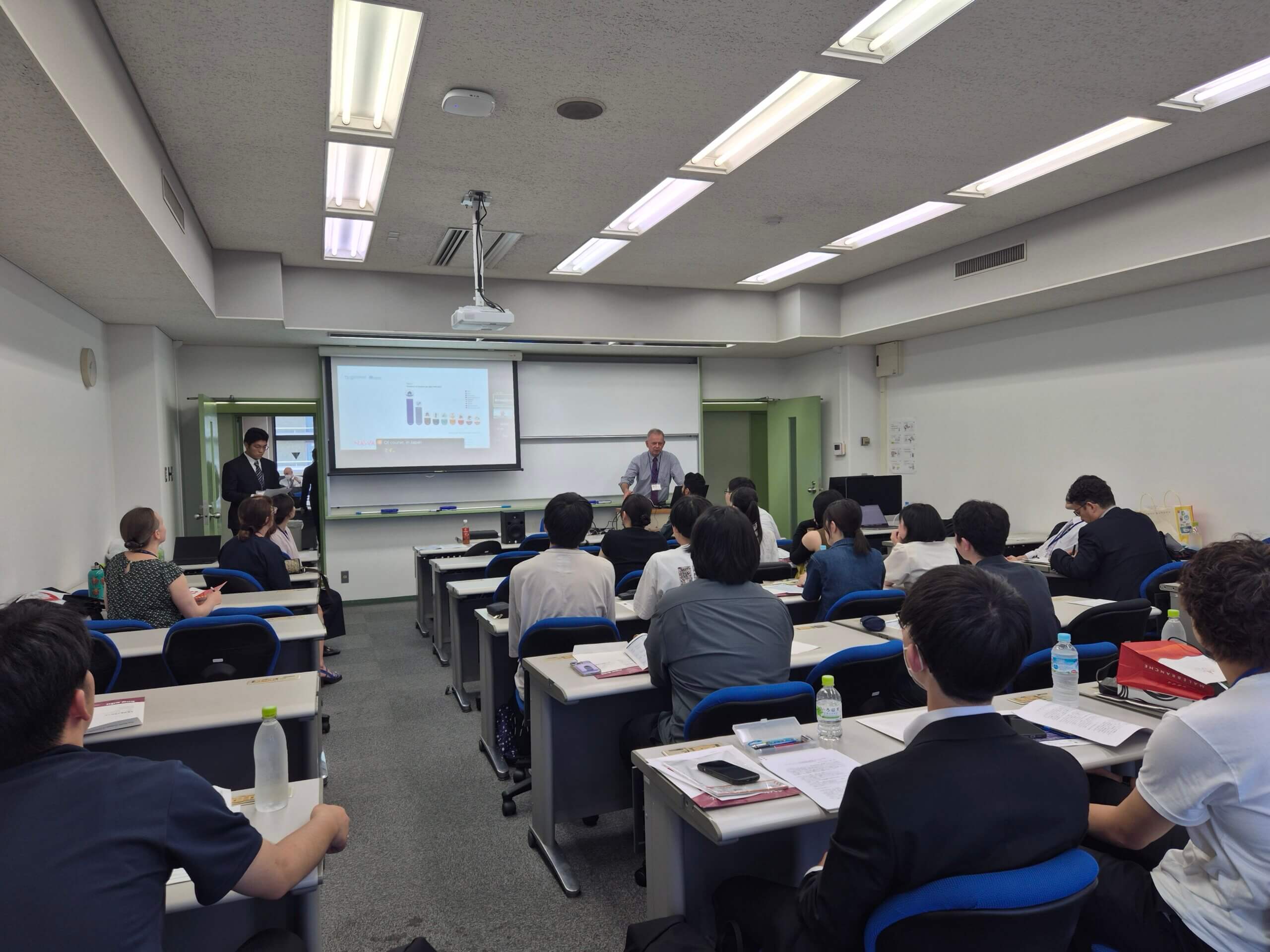
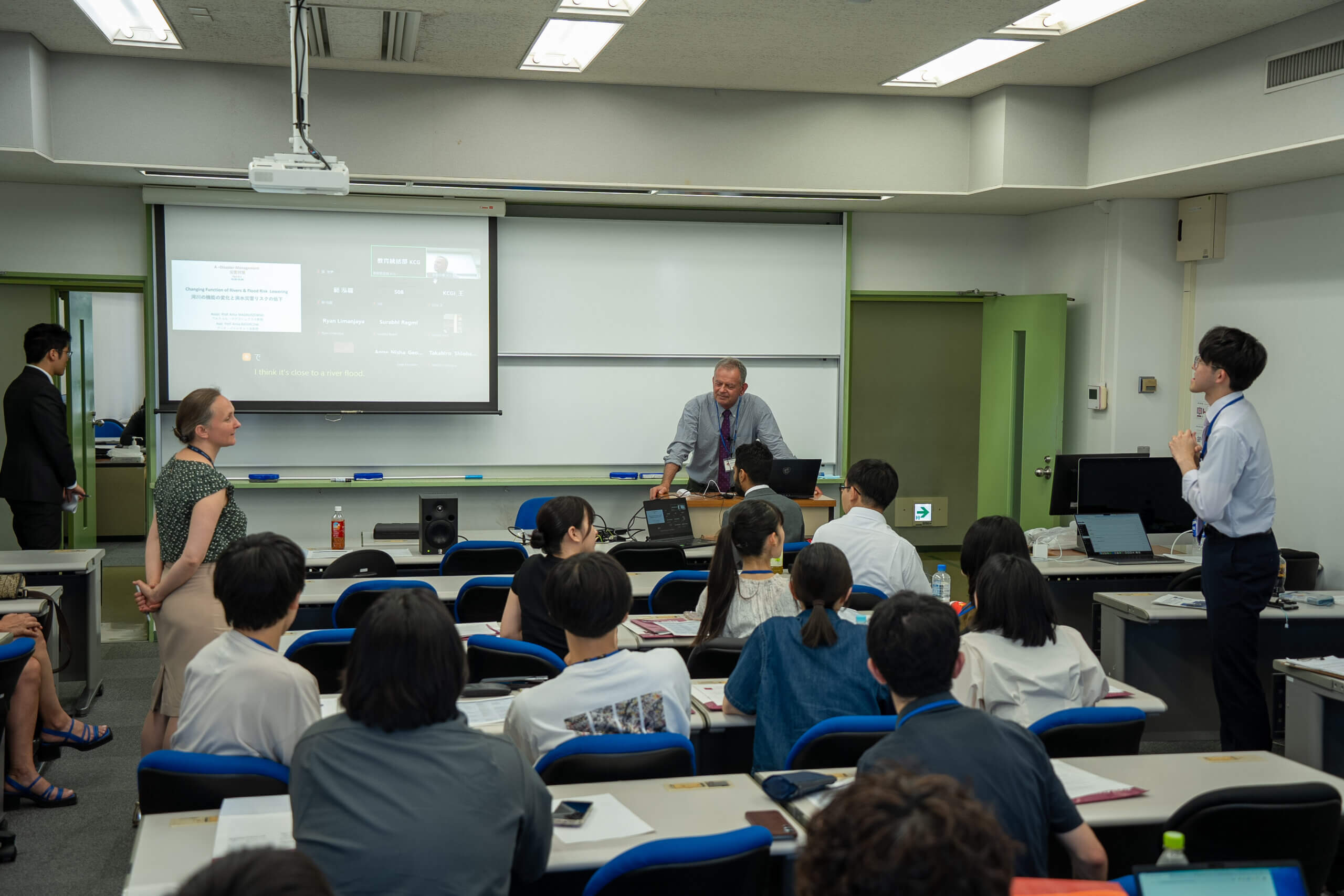
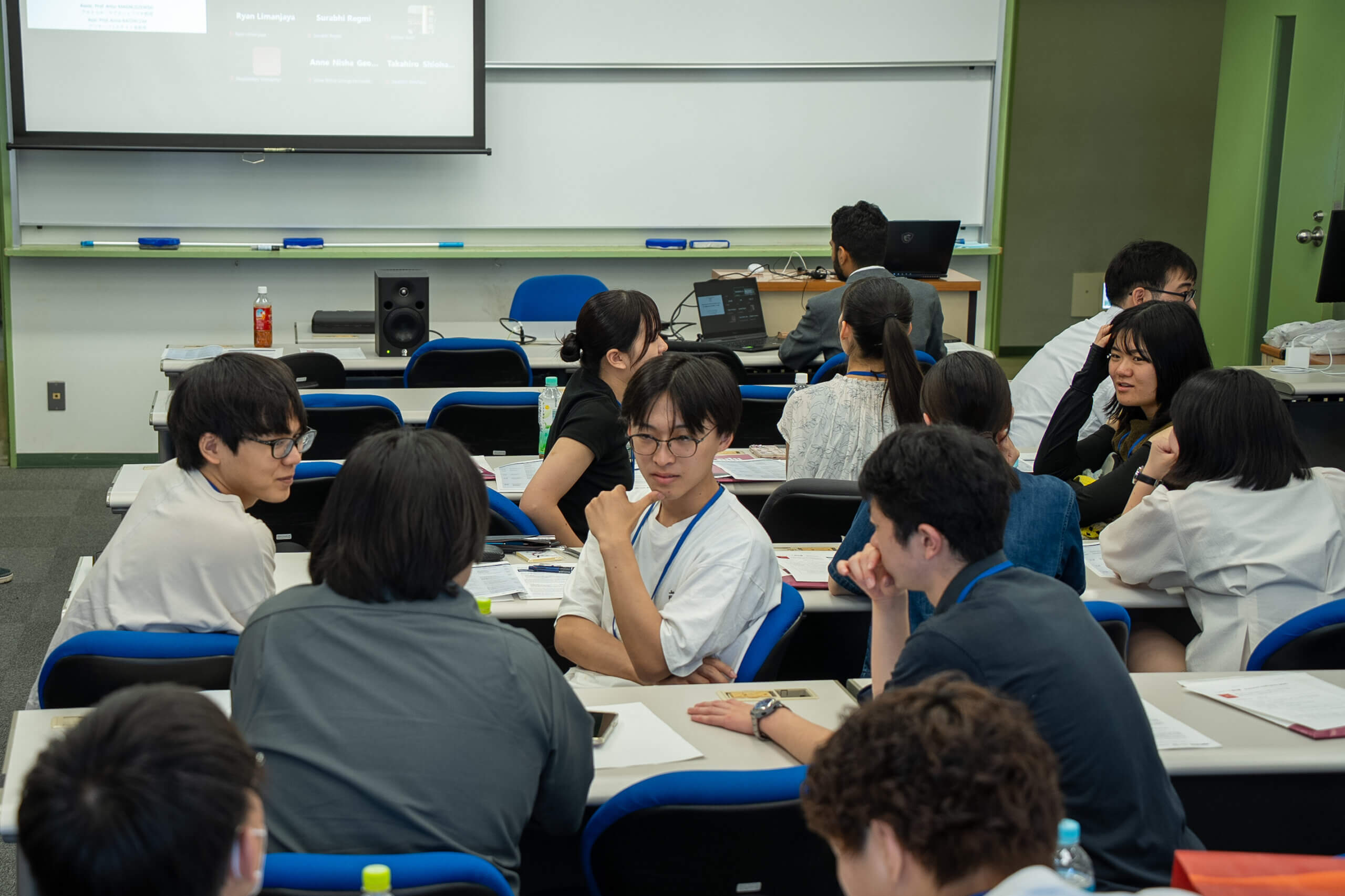
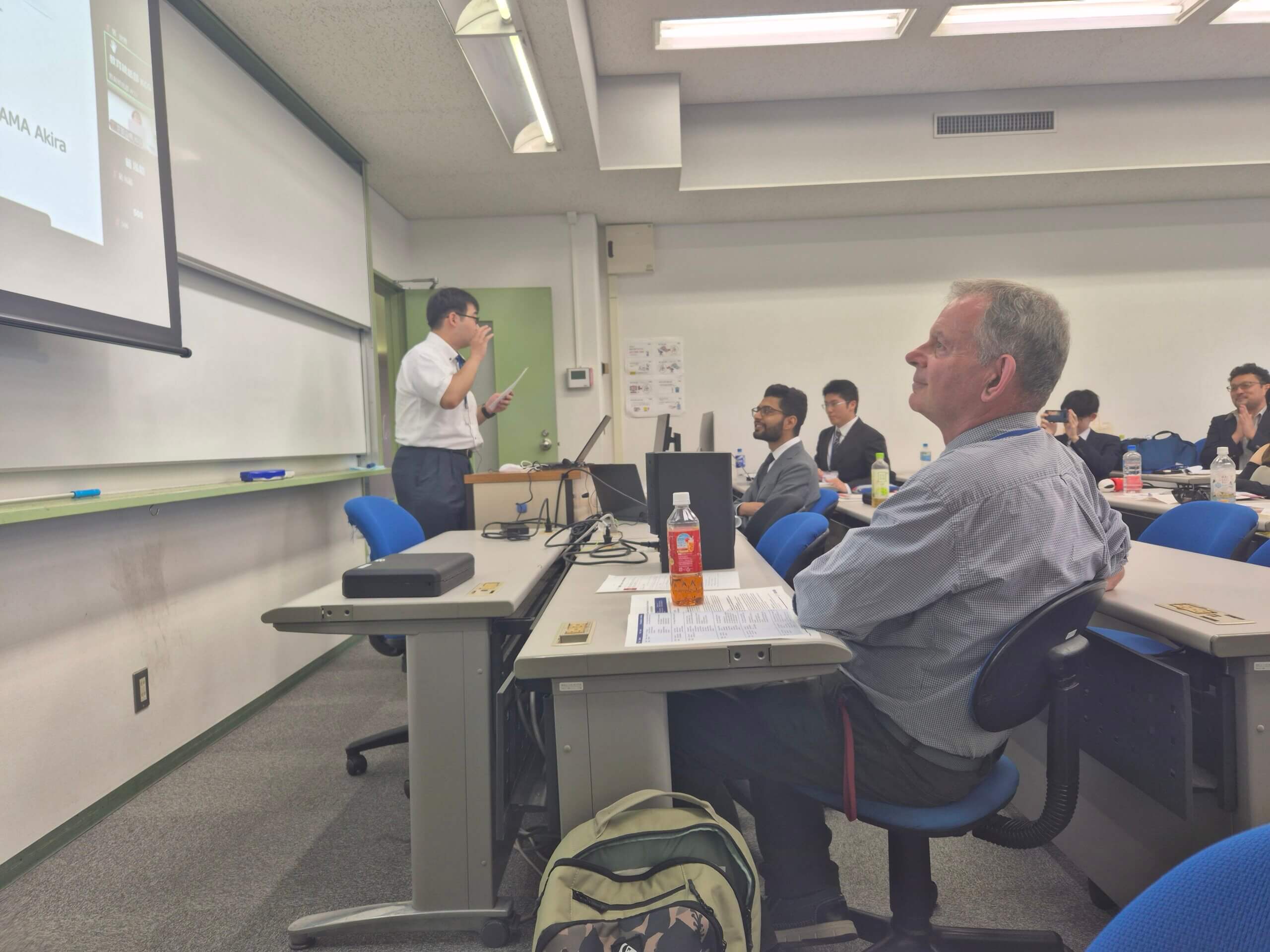
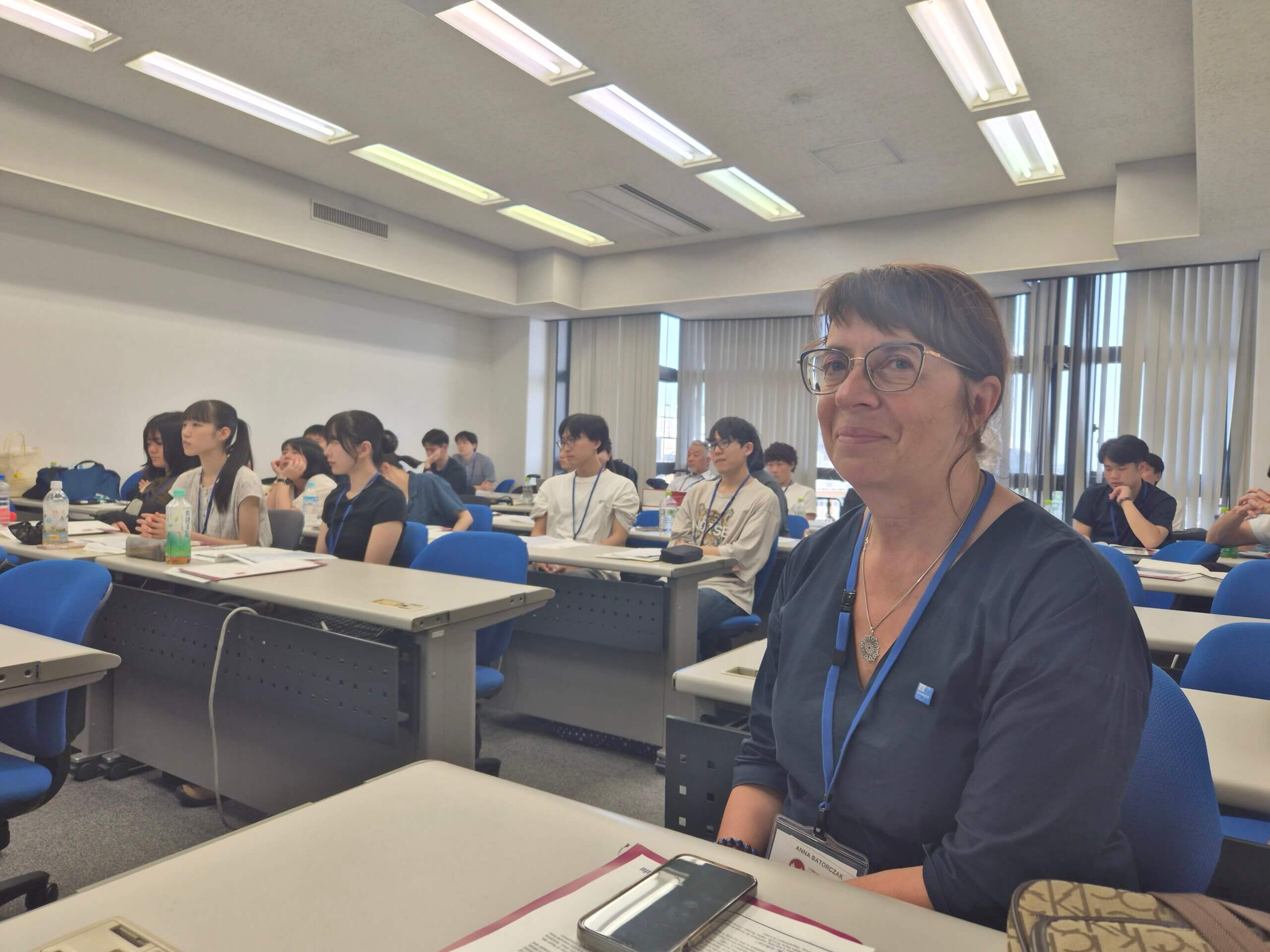
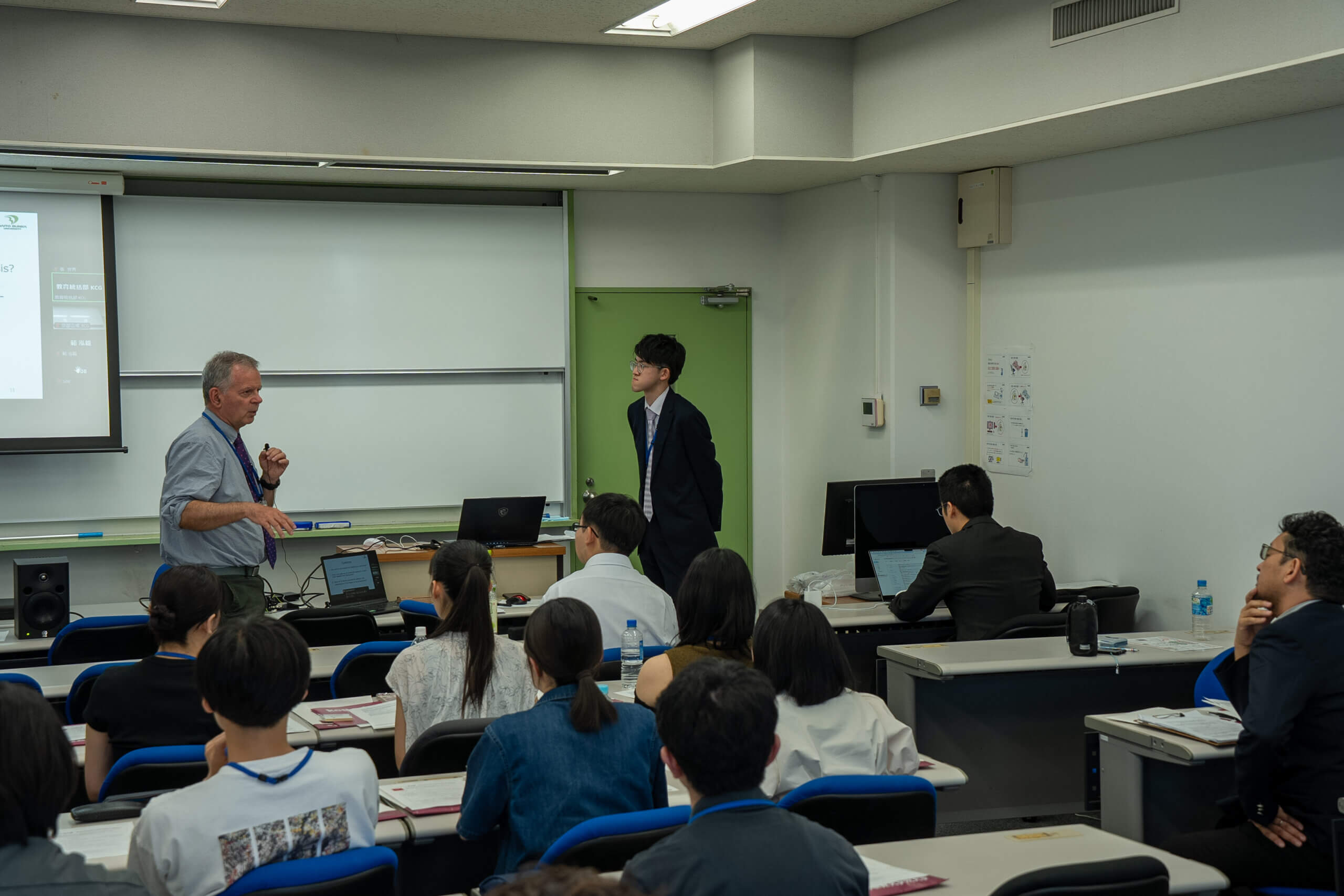
The Polish-Japanese workshop on human security, carried out by the University of Warsaw as part of the NAWA “EXPO 2025 Direction” program, took place on July 7, 2025 in Kyoto. The first workshop, entitled the Changing Function of Rivers and Lowering Flood Risk, concerned counteracting the effects of floods and adapting to climate change in cities. This was conducted by Prof. Artur Magnuszewski from the UW Faculty of Geography and Regional Studies with the support of Dr. Anna Batorczak from the University Center for Research on Environmental Studies and Sustainable Development. They were attended by students from three Japanese universities: Daito Bunka, Meijo and Kyoto Computer Gakuin. Prof. Magnuszewski presented the historical conditions of the location of Polish cities on rivers in the Middle Ages, followed by the navigation use of rivers in the nineteenth century and the contemporary departure from inland transport. He also talked about ecosystem services and river revitalization using the examples of Wrocław and Warsaw. The students’ task was to propose solutions to reduce the risk of flooding in the design of the revitalization of river boulevards in cities.
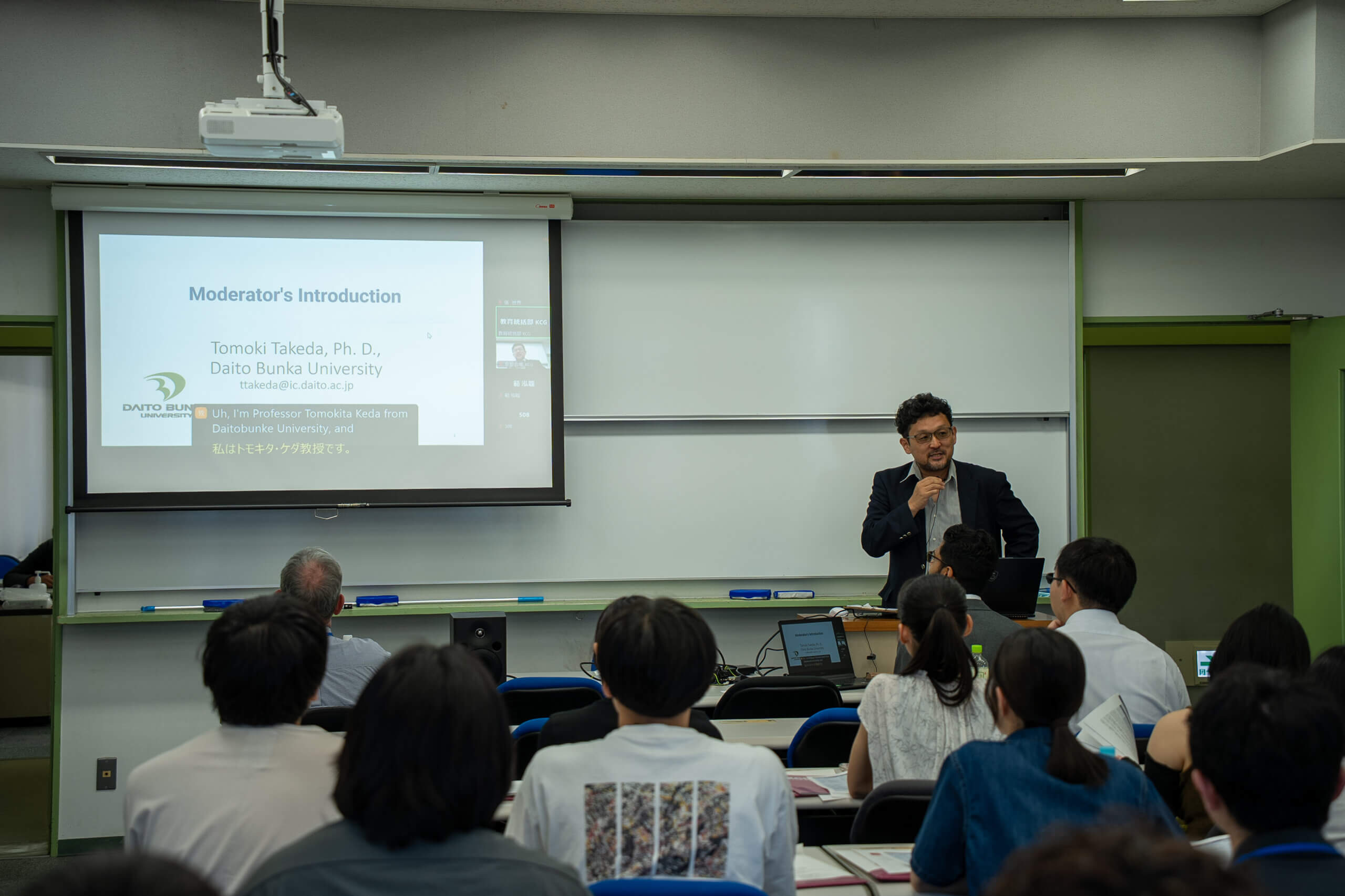
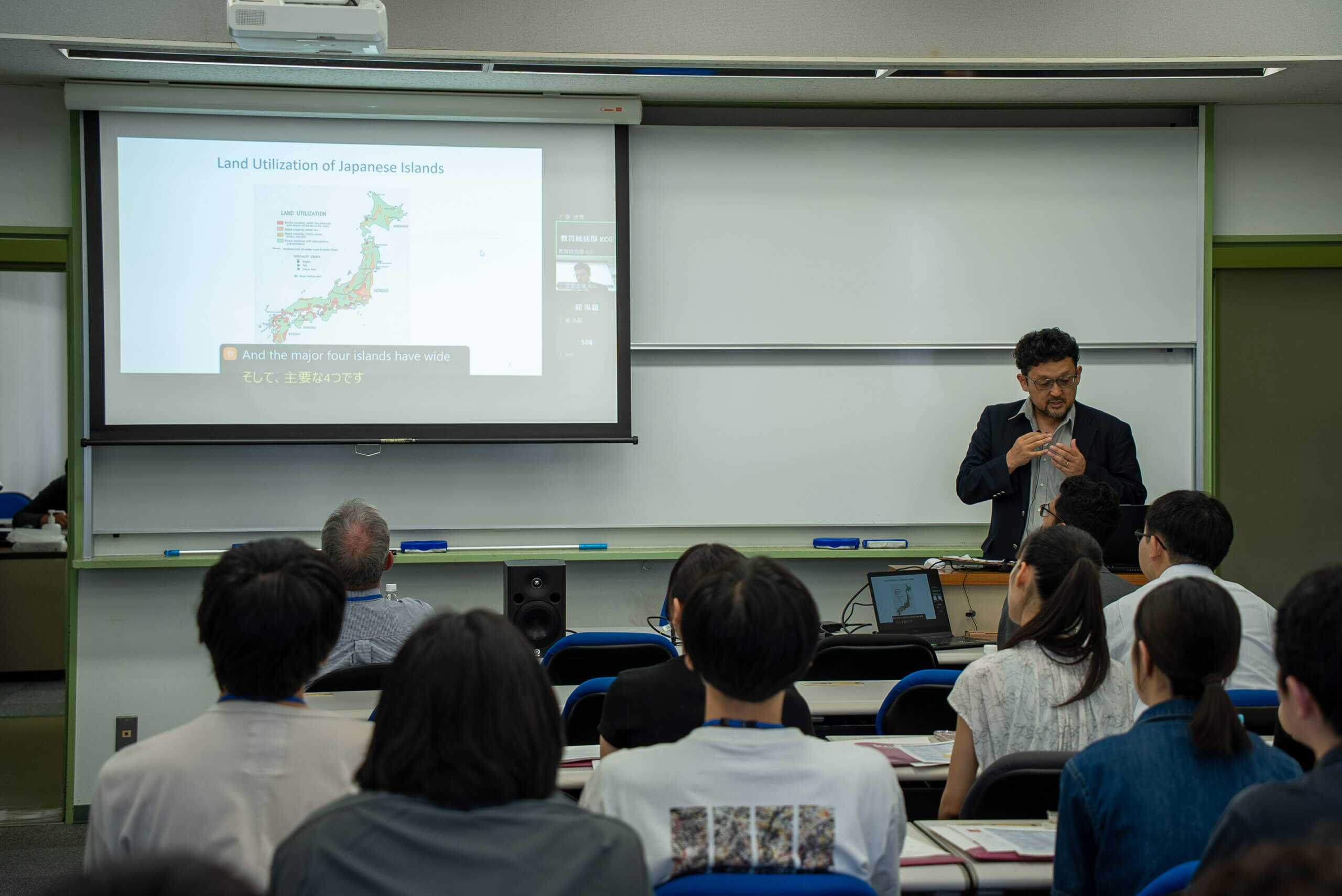
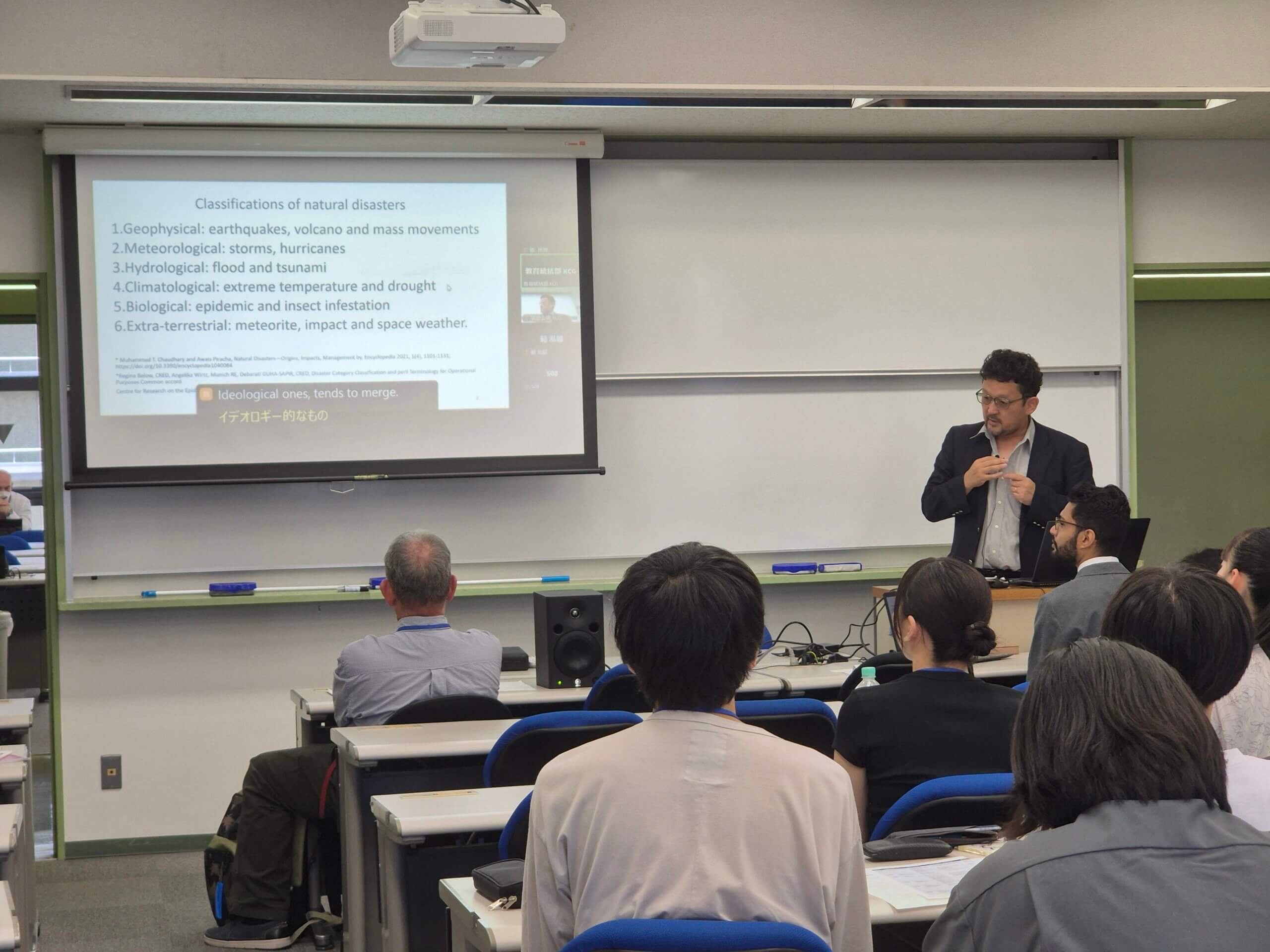
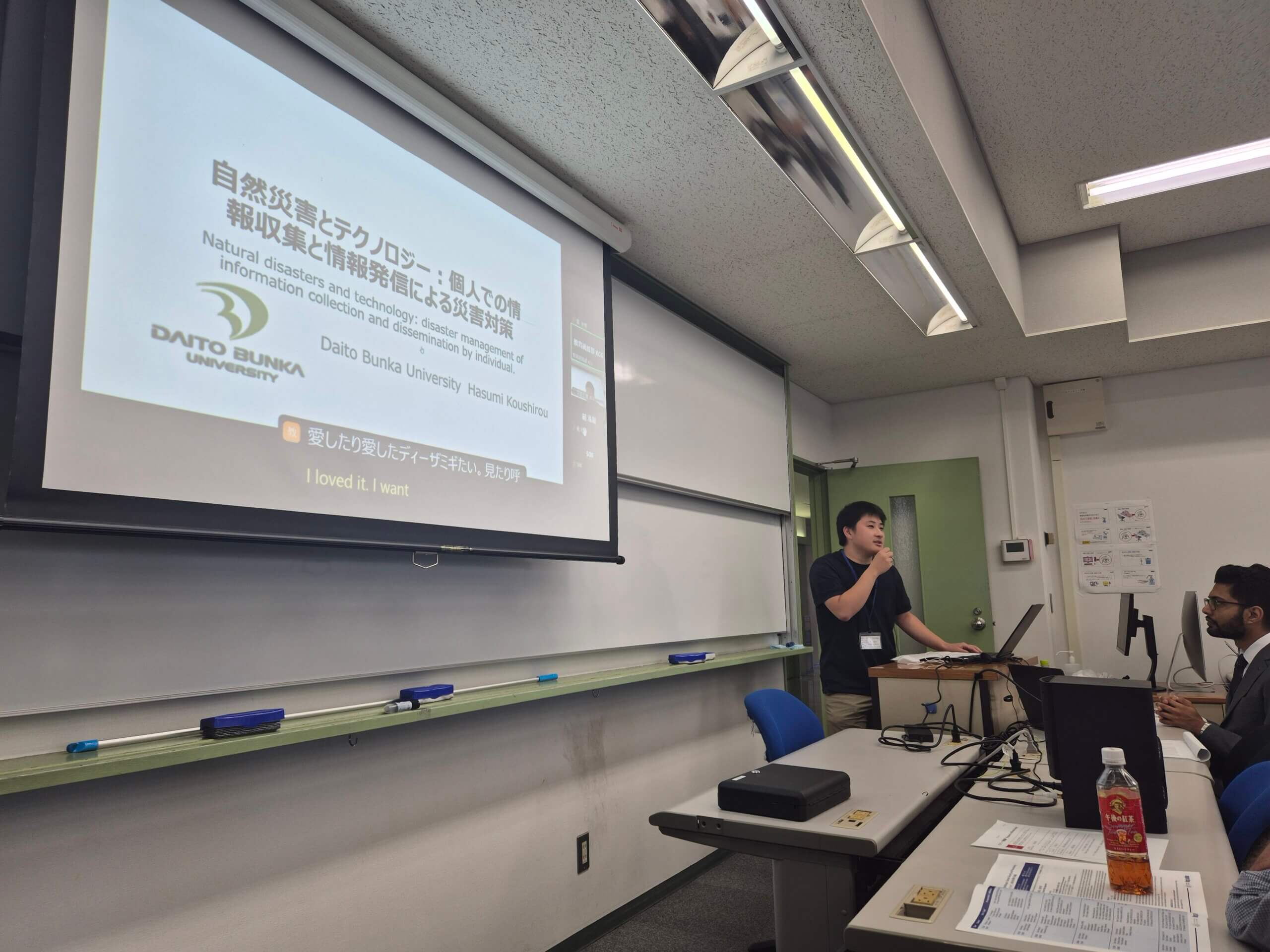
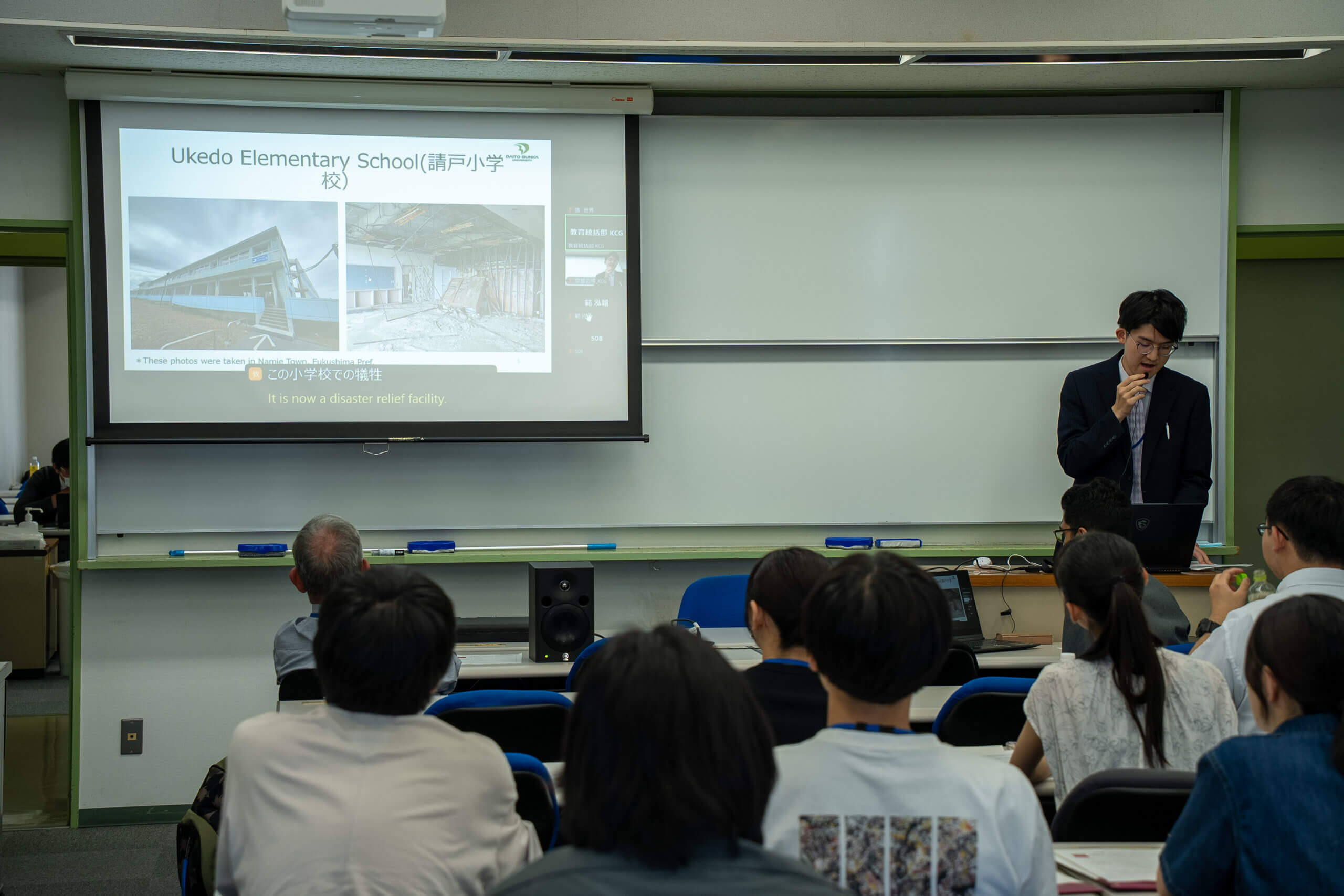
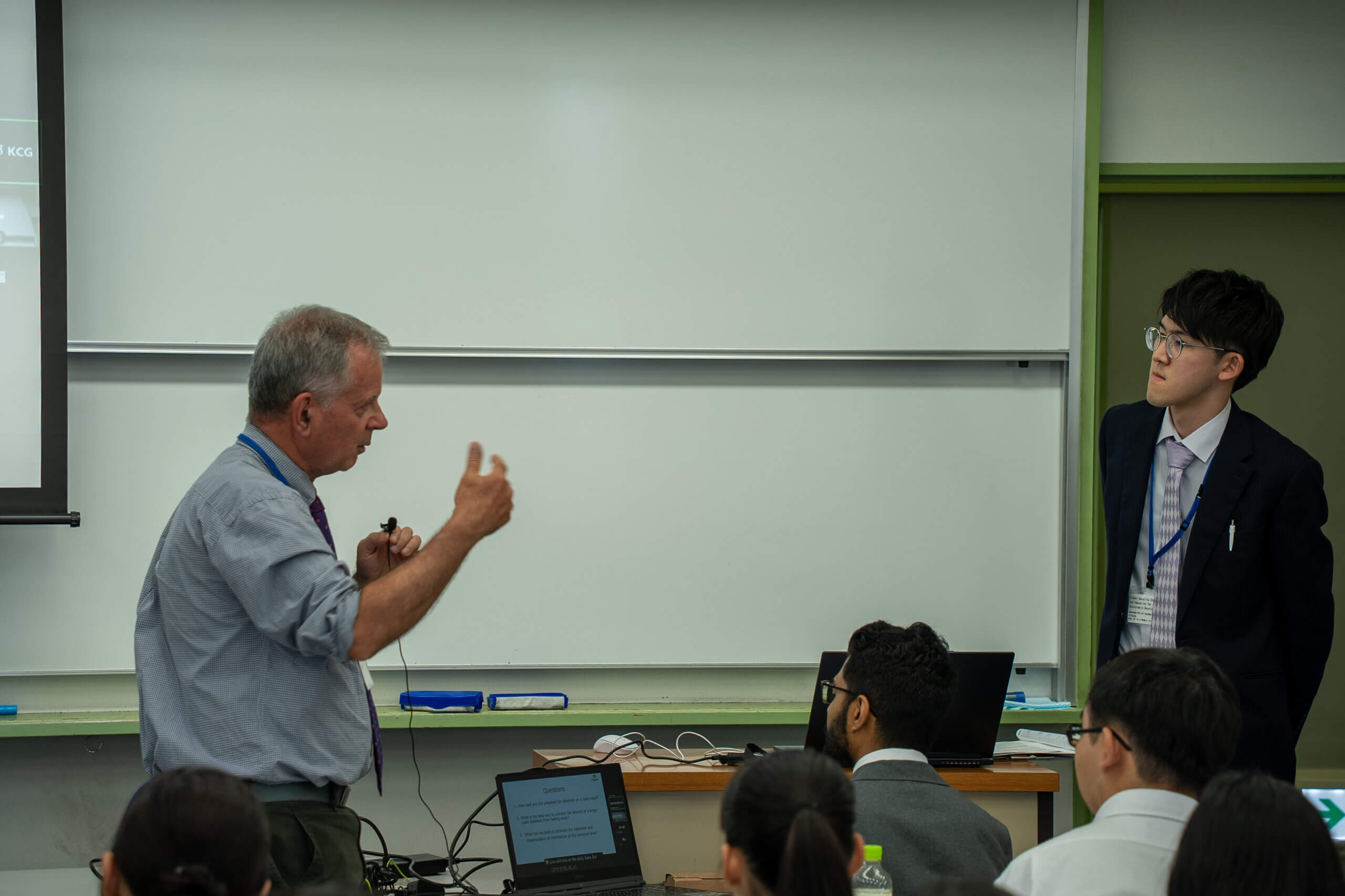
The next workshop, under the heading “Society in the face of disasters” was led by representatives of Daito Bunka University (DBU). The introduction entitled How should society respond to large-scale disasters? The Great East Japan Earthquake and multiple natural disasters was delivered by Prof. Takeda Tomoki (Faculty of Law). Presentations were also prepared by DBU students, including: Sugiyama Akira (What makes a society resilient to large-scale disasters?), Nomura Keita (Natural disasters and education: how to pass on the lessons of Fukushima) and Hasumi Koshiro (Natural disasters and technology: disaster management using drone technology).
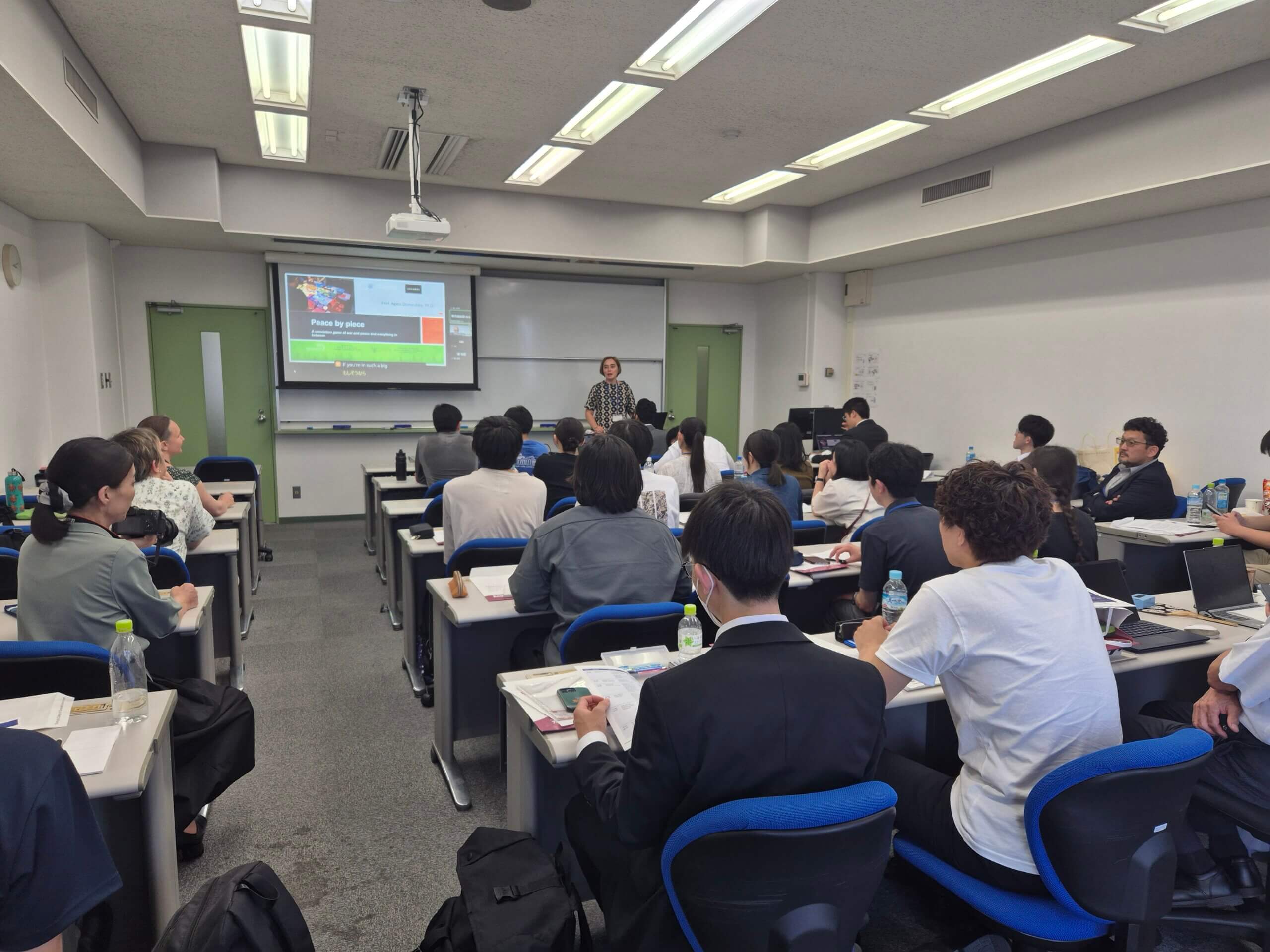
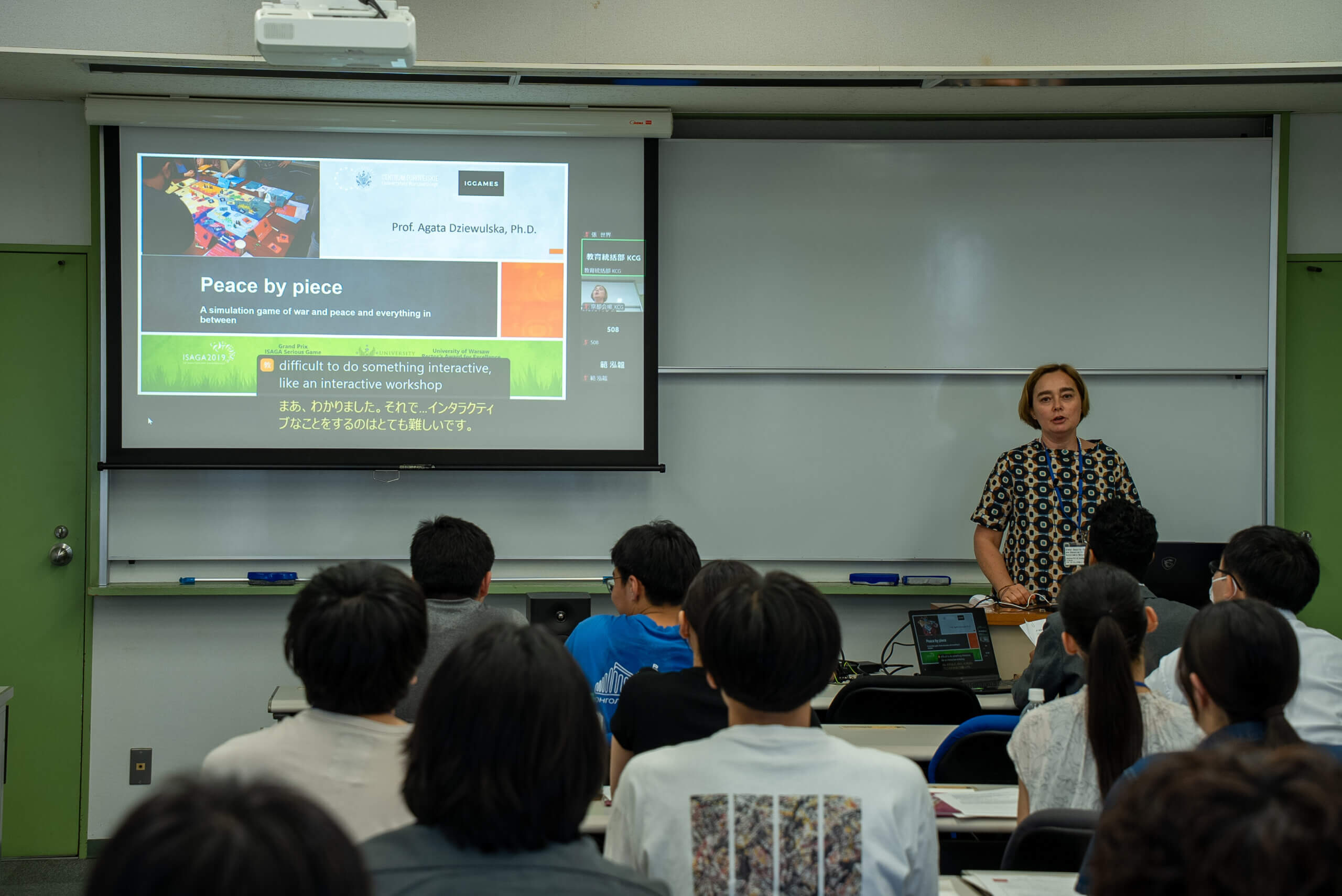
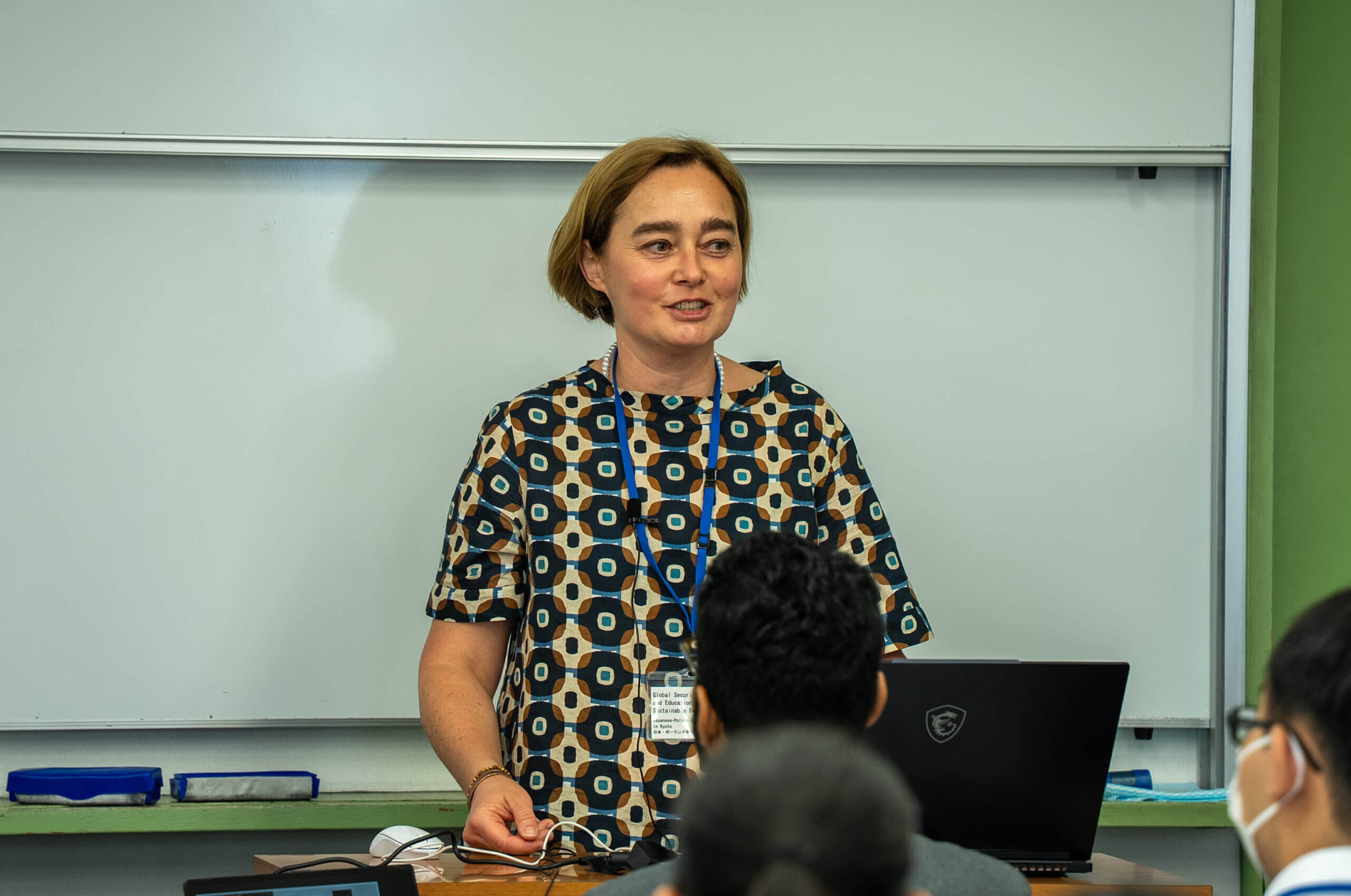
The Strategic Gaming in Conflict Stabilization workshop on peacebuilding and the stabilization of a conflict-affected state was led by Prof. Agata Dziewulska from the UW Centre for Europe, co-creator of the strategic simulation game Peace by Piece.



A – Disaster Management
災害対策
13.30-15.00
E507 / E508 (Zoom)
A-1: Changing Function of Rivers & Flood Risk Lowering 河川の機能の変化と洪水災害リスクの低下
Assoc. Prof. Artur MAGNUSZEWSKI, PhD Habil. アルトゥル・マグヌシェフスキ教授 (UW Faculty of Geography and Regional Studies)
Asst. Prof. Anna BATORCZAK, PhD アンナ・バトルチャク准教授 (UW University Centre for Research on Environmental Studies and Sustainable Development)
Language: English (Japanese subtitles and slides)
Changing function of the rivers & flood risk lowering (UW)
Cities have been historically located on the major rivers. Students will get the map with the location of large cities in Poland with the marked year of their foundation. The question is why in the medieval period access to large rivers was so important. And why in 19th century large cities were located in the places of mining and good transportation roads. Changing role of the rivers in the cities will be discussed and film ‘Odra we Wrocławiu’ will be an illustration. River waterfront is a new very attractive area of the development but this is also an area of flood risk. Students will propose the solutions to lower the flood risk in waterfront of the modern cities. Solutions from their discussion will be presented as a outcome form the workshop. The good practice example from Warsaw Vistula River boulevards will be shown as an example of flood risk lowering by adaptation.
A-2: Society’s Response to Large-scale Disasters
Prof. TAKEDA Tomoki 武田知己教授 (Daito Bunka University Faculty of Political Science, Director of Graduate School of Law and Political Science), How should society respond to large-scale disasters? Great East Japan Earthquake and multiple natural disaster ( 大規模災害に社会はどう対応すべきか ~ 東日本大震災と多発する自然災害 ~)
Language: English
SUGIYAMA Akira 杉山央 (DBU student), 大規模災害に強い社会とは?日本の災害対応の歴史と今後の方針 (What makes a society resilient to large-scale disasters?)
NOMURA Keita 野村啓太 (DBU student) 自然災害と教育:東日本大震災の教訓をどのようにして継承していくか (Natural disasters and education: how to pass on the lessons of Fukushima)
HASUMI Koshiro 蓮見皇志郎 (DBU student), 自然災害とテクノロジー:個人での情報収集と情報発信による災害対策 (Natural disasters and technology: disaster management using drone technology)
Language: Japanese
How should society respond to large-scale disasters? Great East Japan Earthquake and multiple natural disaster (DBU)
Every year quite a few interested students of DBU visit the disaster affected areas around Fukushima Daiichi nuclear plants including the site itself since 2015. The plants, two of which were severely damaged in the Great East Asian Earthquake of 2011 are being torn down and are under complete control. Ironically, that explains why we tend to overlook the fact that it was the disaster we must not forget and there are still quite a lot of residents who are not allowed to return to their homes. With an increasing number of natural disasters hitting Japanese archipelago every year we are facing the difficulties how to pass down the lessons and the memories of disasters such as GEA Earthquake and Hanshin-Awaji Great Earthquake in 1995. The students will in this workshop show their achievements to come up with the effective ways to fight or cope with multiple disasters in the coming future.
B – Strategic Gaming in Conflict Stabilisation
紛争安定化と戦略的ゲーム
15.10-15.40
E507 / E508 (Zoom)
Language: English (Japanese subtitles and slides)
Prof. Agata DZIEWULSKA アガタ・ジェヴゥルスカ教授 (UW Centre for Europe), Peace by Piece: presentation of the simulation game
Strategic Gaming in Conflict Stabilisation (UW)
Since early 1990s when the new generation of peace operations took off, international peace building missions aiming to stabilize areas affected by violent conflicts have been invariably unsuccessful. It is mainly for the lack of connection between academic world and practitioners planning and conducting peace missions. ‘Peace by piece’ is a simulation game of stabilizing Mali – for many decades a hard case for peace-builders. The game is based on interdisciplinary academic research in fields of security studies, political science, anthropology, economics and sociology which allows testing old schemes and offers new solutions. A sandbox construction of the game leaves an open end with no predefined results and makes the game useful to university students (in teaching using Experiential Learning Model), academics keen to verify their hypotheses as well as practitioners anxious to test their plans before deployment.
***
Human Security in the Times of Climate Changes
The workshops in Kyoto were followed by the joint project “Human Security in the Times of Climate Change”, as part of which on September 19, 2025 the expert seminar Building local societies’ resilience in times of crises: From spontaneous response to structured strategies, organized by the Green Dialogue Platform, Centre for Europe, Department of Japanese Studies (Faculty of Asian and African Cultures) and Daito Bunka University, was held at the University of Warsaw. This initiative resulted in the development of the concept of the Clean Source simulation game, which supports the process of teaching mechanisms of prevention and management in cases of natural disasters, including environmental pollution.
Environmental crises, especially those related to water and air pollution, are among the most complex challenges of modern societies. Their impacts are both local and global, including public health, social trust and institutional stability. The Clean Source strategy game is a response to the need to develop crisis management tools that will allow representatives of institutions, non-governmental organizations or communities not only to understand the mechanisms of response, but also to experience them through decisions made in conditions of uncertainty. Such tools enable scenario planning and building social trust through better communication between citizens, local governments and central authorities. The Clean Source project shows that simulation games can be not only a teaching tool, but also a research method and a means of strengthening social resilience. This game can also serve as an intercultural laboratory. Joint simulation sessions for participants from Poland and Japan allow us to analyze the differences in, as a few examples, the perception of authority, responsibility, and decision-making processes.
This project has been supported by the Polish National Agency for Academic Exchange (NAWA) under the DIRECT TO EXPO 2025 programme – the International Academic Event at World Expo 2025 in Osaka, Kansai (BPI/OSA/2024/1/00020/DEC/01.